
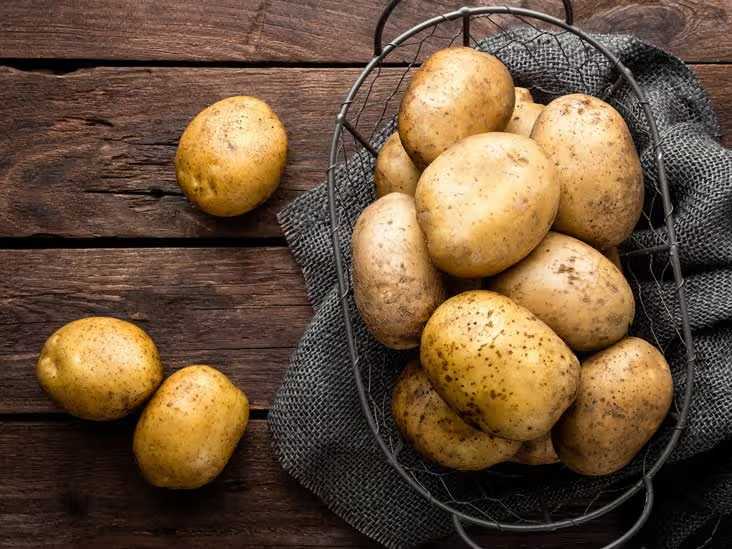
One of the most common items in kitchens all around the globe is potatoes. They may be used for both basic home-cooked dinners and complex recipes due to their flexibility. However, the overall nutritional profile of potatoes may be greatly influenced by how they are cooked. Their calorie content, nutrient retention, and the other elements eaten with them may all be impacted by boiling, baking, roasting, frying, and steaming.
Since potatoes are often linked to fried dishes and meals high in carbohydrates, people frequently wonder whether they are good for you. Potatoes themselves provide a number of vital elements. Portion size, preparation technique, and ingredients added while cooking frequently determine the overall nutritional image.
Recognizing Potatoes’ Natural Nutrition
Carbohydrates, fiber, potassium, vitamin C, and many B vitamins are all found naturally in potatoes. Prior to the addition of oils, butter, cheese, cream, or other ingredients, they also have relatively little fat.
Leaving the skin on when appropriate may help retain more of the potato’s inherent nutritional value since it may provide more fiber. However, since the skin will be consumed, it is crucial to properly wash potatoes before cooking.
Potatoes must be cooked to make them more palatable and easier to digest, but heat and water may alter certain nutritional levels. People may choose cooking techniques that fit their dietary preferences by being aware of these variations.
Boiling And Retention Of Nutrients
One easy method to cook potatoes without adding fat is to boil them. However, some water-soluble nutrients may seep into the cooking liquid since potatoes are soaked in water. Certain B vitamins and vitamin C may be especially impacted.
One way to minimize the direct exposure of potato flesh to water is to boil them with their skins still on. Retaining more nutrients may also be aided by avoiding overly lengthy cooking durations.
Boiled potatoes may be included in well-balanced meals that already include vegetables and sources of protein. However, adding substantial amounts of butter, cream, mayonnaise, or salt subsequently might significantly alter their nutritional content.
Roasting And Baking Potatoes
Baking is a practical way of preparation since it needs little to no additional fat. Carbohydrates, fiber, and micronutrients may be found in a baked potato with its skin. Fewer nutrients are lost by leaching into cooking liquid since the potato is not submerged in water.
Another beneficial alternative is roasting; however, it depends on how much oil is used. The nutritional profile of potatoes served with substantial quantities of added fat differs greatly from those prepared with a modest coating of oil.
If you’re thinking are potatoes good for you, it’s preferable to think about the whole meal rather than just the potato. Even though both a highly covered potato and a simply cooked potato have the same fundamental constituents, their overall nutritional profiles might vary significantly.
The Nutritional Picture Is Changed By Frying
Many people like the crisp texture that frying produces, but it also adds extra fat and calories. Compared to boiled, steamed, or just baked potatoes, deep-fried potatoes have more energy because they absorb some cooking oil.
Sauces and salt may further alter the meal’s nutritional value. Although preparation and portion size become particularly important when taking into account total nutritional balance, this does not imply that fried potatoes may never be enjoyed.
Steaming As An Easy Substitute
Potatoes are cooked by steaming rather than submerging them entirely in water. With no additional cooking oil needed, this may help reduce the loss of nutrients that are soluble in water.
Additionally, steamed potatoes may serve as a neutral foundation for delicious foods like vegetables, herbs, and spices. Seasonings may offer variation while making the preparation reasonably easy, as opposed to primarily depending on butter or creamy sauces.
Potatoes Can Be Changed By Cooling
Potatoes may be affected by more than just cooking. A portion of the starch structure in cooked potatoes may be changed by cooling them, which increases the quantity of resistant starch. Resistant starch may work somewhat like dietary fiber and is not digested in the same manner as regular starch.
Therefore, depending on whether they are consumed raw or after boiling and chilling, potatoes may have slightly varied nutritional qualities.
Including Potatoes In A Well-Rounded Diet
In the end, how potatoes are cooked and included in a diet plays a role in the question of whether potatoes are good for you. While cooking techniques and other ingredients may significantly change the finished dish, potatoes inherently provide helpful nutrients.
Many of their nutritional benefits may be maintained by boiling, steaming, baking, and moderately roasting them without adding too much extra fat. A more sensible way to appreciate this adaptable cuisine is to think about preparation, amounts, toppings, and the rest of the meal rather than perceiving potatoes as intrinsically good or bad.

Ethan is an SEO content writer who creates simple, easy-to-follow guides on JKPaySys, PayManager, salary slips, employee services, and government portals to help users find accurate information quickly.