
Dog Bite Injuries In Denver: What Happens After The Initial Medical Treatment?
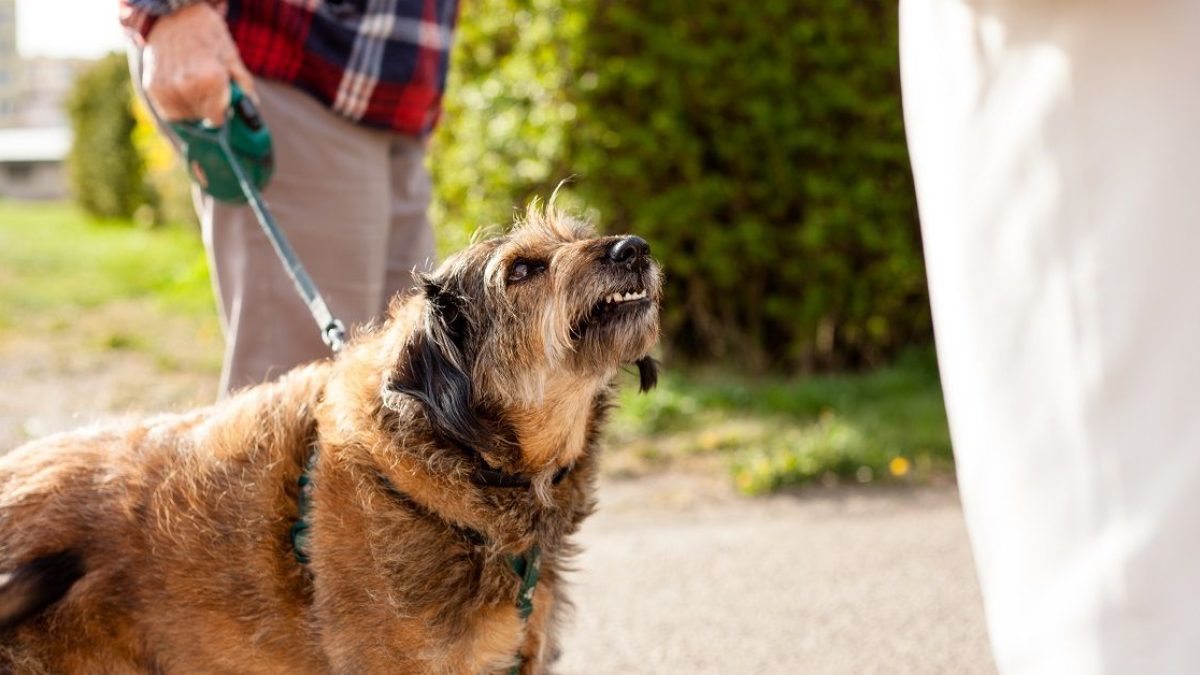
An ordinary day can be transformed into a stressful experience in a matter of seconds by a dog injury. The immediate priorities are usually getting away from the animal, controlling bleeding, cleaning the wound, and obtaining professional medical attention. Yet for many people in Denver, the consequences of an attack continue well beyond that first trip to a doctor or emergency department. Once the initial medical treatment is complete, victims may face follow-up appointments, unexpected expenses, missed work, insurance questions, and concerns about whether the injury will leave permanent scars. At this stage, consulting a Denver dog bite law firm may help an injured person better understand the legal issues surrounding the incident and the options that could be available under Colorado law. Follow-Up Medical Care May Be Necessary Initial treatment does not always mark the end of medical care. Dog bites can damage skin, muscles, nerves, tendons, and other tissue. Depending on the location and severity of the wound, a physician may recommend additional appointments to monitor healing. Infection is another concern. A wound that initially appears to be improving can require further attention if redness, swelling, pain, discharge, or other symptoms develop. More serious injuries may involve treatment from specialists, including surgeons or physical therapists. Victims should follow the instructions provided by their healthcare professionals and keep records related to appointments, prescriptions, procedures, and other treatment. These records can also help document the extent of an injury if a compensation claim develops. The Incident May Need To Be Documented Details can become difficult to remember as time passes. After receiving necessary medical attention, documenting what happened can therefore be useful. This may include recording the date, time, and location of the attack, along with a description of the dog and the circumstances surrounding the incident. Photographs of wounds during different stages of recovery may help demonstrate how the injury developed over time. Contact information for witnesses can also be valuable. If someone saw the attack or events immediately before it, their account could help clarify disputed circumstances later. Any available information identifying the dog’s owner or person responsible for the animal should also be preserved. Understanding Colorado Dog Bite Liability Colorado has specific laws addressing certain dog bite injuries. Legal responsibility can depend on factors such as the seriousness of the injury, where the victim was when the incident occurred, and the circumstances surrounding the interaction with the dog. Not every case follows exactly the same path. A claim may involve statutory provisions as well as other legal theories depending on the facts. This makes it important to evaluate the individual circumstances rather than assuming that every dog bite automatically leads to compensation. Questions about provocation, lawful presence, warnings, and control of the animal may become relevant during the investigation. Insurance Companies May Become Involved After a dog bite, an insurance company may contact the injured person. Depending on the circumstances, coverage could potentially come from a homeowner’s, renter’s, or another applicable insurance policy. An insurer may request medical records, photographs, statements, or other documentation before evaluating a claim. Victims should understand what information is being requested and why before providing detailed statements or signing documents. Insurance negotiations may also involve disagreement about responsibility, the seriousness of an injury, or the amount of compensation considered appropriate. Calculating The Broader Impact Of The Injury The financial consequences of a dog attack can extend beyond the first medical bill. Follow-up treatment, prescription medication, rehabilitation, and future procedures can increase the overall cost of recovery. Some victims also lose income because they cannot immediately return to work. Others may experience lasting scars or limitations that affect everyday activities. Emotional consequences can matter as well. A serious animal attack can leave someone anxious around dogs or uncomfortable returning to the location where the incident happened. Children may be particularly affected by a frightening encounter. Understanding the complete impact of an injury is important before determining what a claim may reasonably be worth. Scarring And Long-Term Treatment Can Affect Recovery Dog bites involving the face, hands, arms, or other visible areas can leave permanent scars. In some cases, a victim may eventually consider reconstructive or cosmetic procedures. The long-term outcome of an injury may not be clear immediately after treatment. Doctors may need time to determine whether scars will fade, whether movement will return fully, or whether additional procedures are appropriate. For this reason, assessing an injury solely on the basis of the initial emergency treatment may overlook future medical and personal consequences. Moving Forward After A Denver Dog Bite Recovery after a dog attack involves more than closing the wound. Victims may need to manage ongoing healthcare, preserve evidence, communicate with insurers, calculate financial losses, and consider the long-term effects of the injury. After initial treatment, addressing these issues properly might assist in providing a more accurate picture of what transpired and what the healing process might entail. Knowing the medical and legal aspects of a dog bite can assist Denver residents who have serious injuries in handling the time after the incident and making well-informed decisions about what to do next. EthanEthan is an SEO content writer who creates simple, easy-to-follow guides on JKPaySys, PayManager, salary slips, employee services, and government portals to help users find accurate information quickly. www.jkpaysys.com